
Research & development
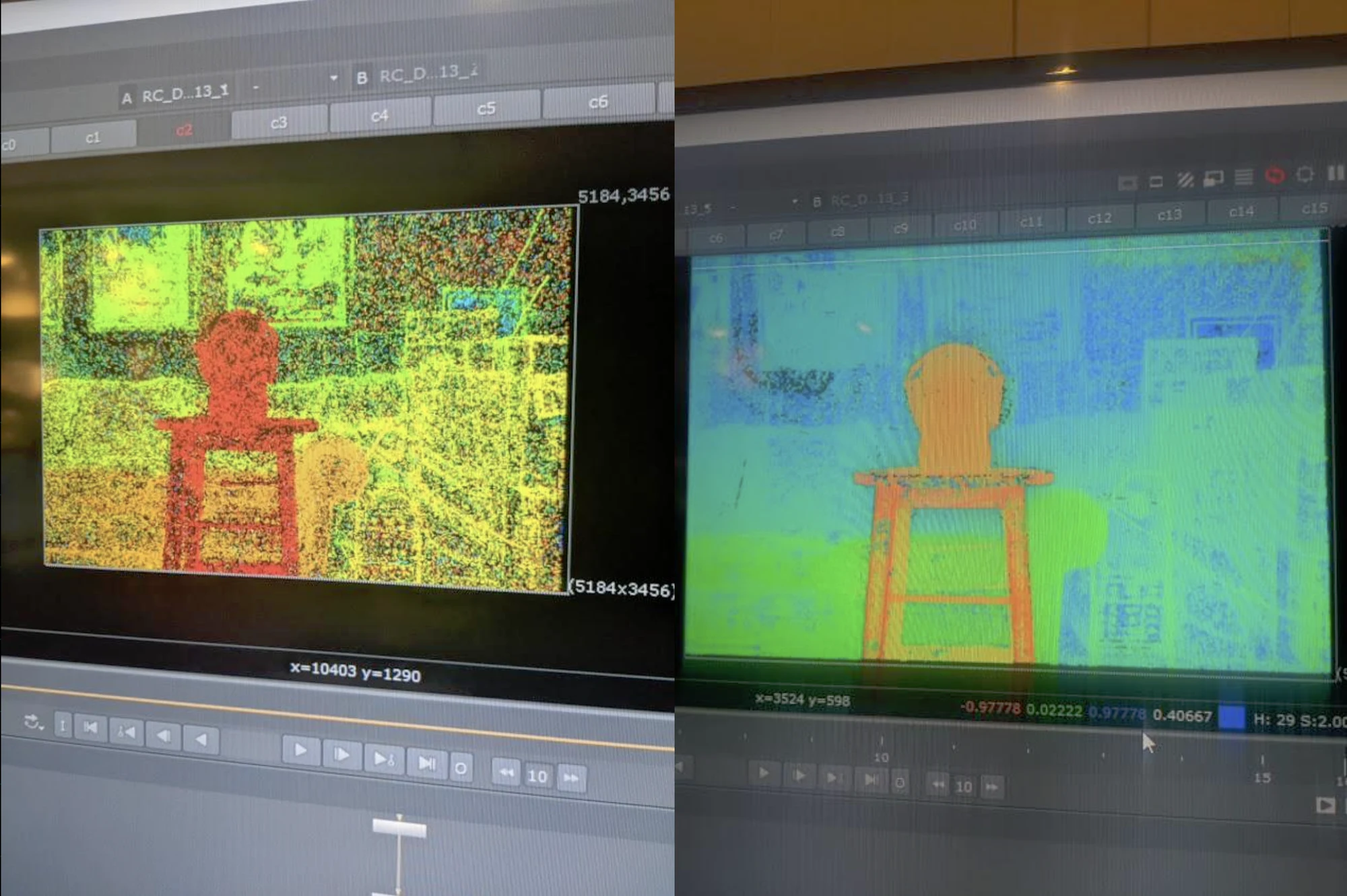
Volumetric reconstruction
Rebuild a moving person from synchronized camera recordings so the performance can be viewed in three dimensions.
Explore productA performer recorded by many cameras can become a digital human. A video frame can be extended for a dome. We are developing AI imaging and playback software to put these capabilities into the hands of other media teams.
At Sphere in Las Vegas, a vast curved LED screen surrounds the concert audience. VCS contributed digital humans, environments and imagery for Anyma’s End of Genesys.
In Vancouver, we operate The Dome, a 20-metre projection theatre. Preparing imagery for these displays means preserving detail at high resolution and keeping the picture coherent across a much wider view.
That experience informs our software development. The tools below address different parts of creating and delivering immersive video.
The Sphere project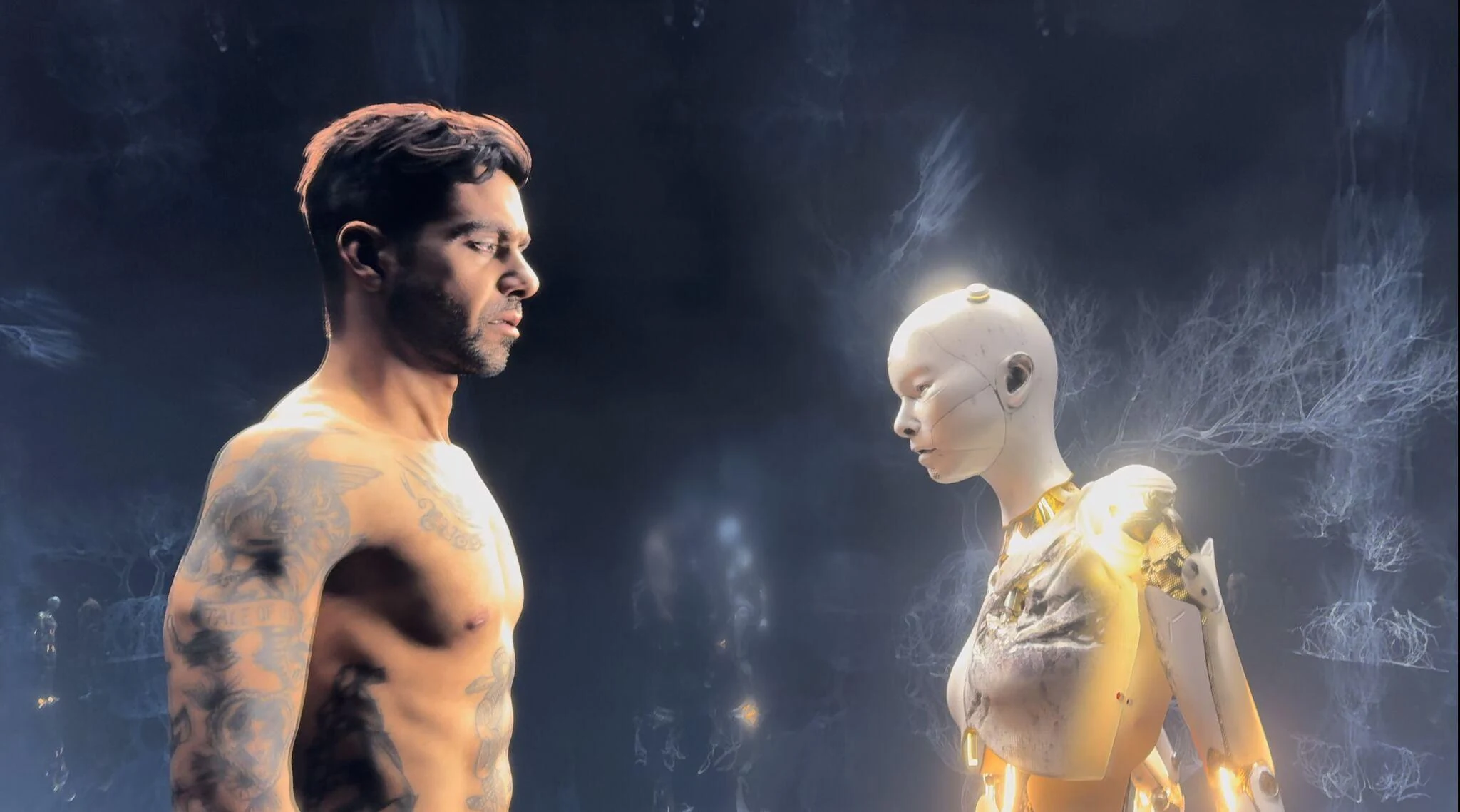
We are building reusable tools for capture teams, artists and immersive venues. Each product has its own development stage, shown below.
Rebuild a moving person from synchronized camera recordings so the performance can be viewed in three dimensions.
Explore product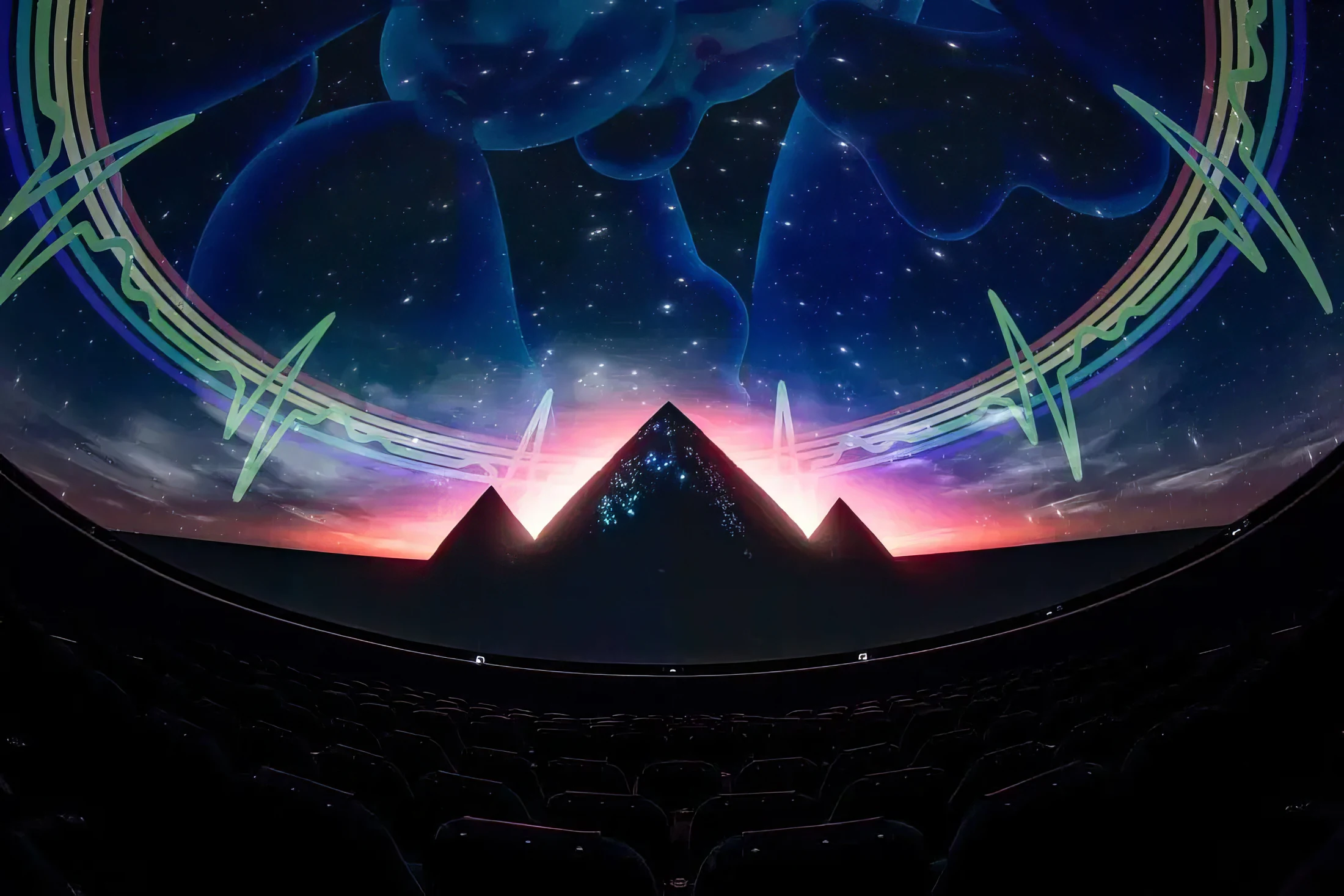
Start with existing video and generate imagery beyond its edges for dome and panoramic screens.
Explore product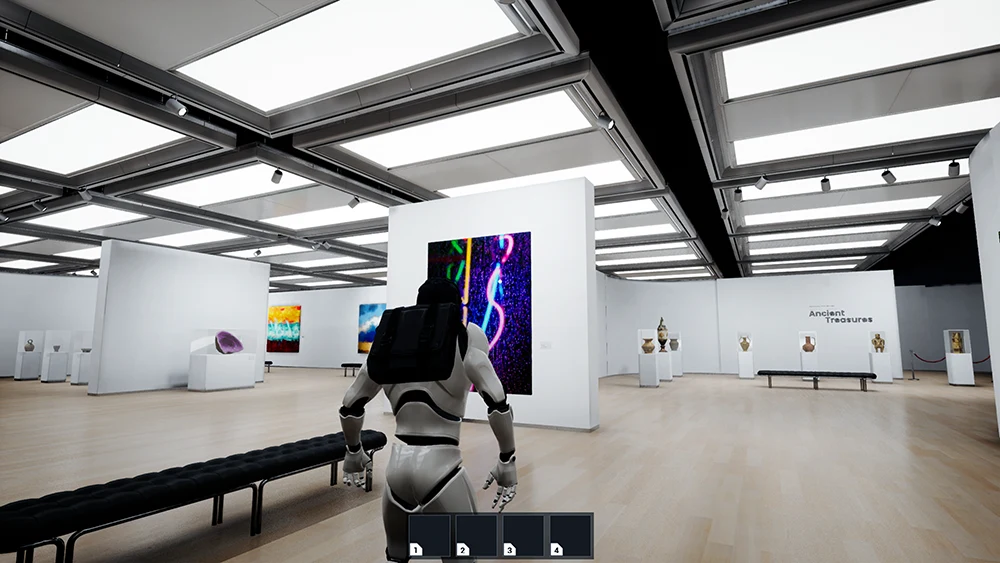
Let viewers explore a 3D scene containing captured performances. Earlier browser technology was licensed for SuperMuseum: America.
Explore productReconstruction software needs to know where a camera stood and how far away each surface was. Our Volusynth research develops synthetic image datasets that keep images, depth and camera information together.
The data and researchImage & frame identity
Distance at each pixel
Calibration & pose
intrinsics
rotation
translation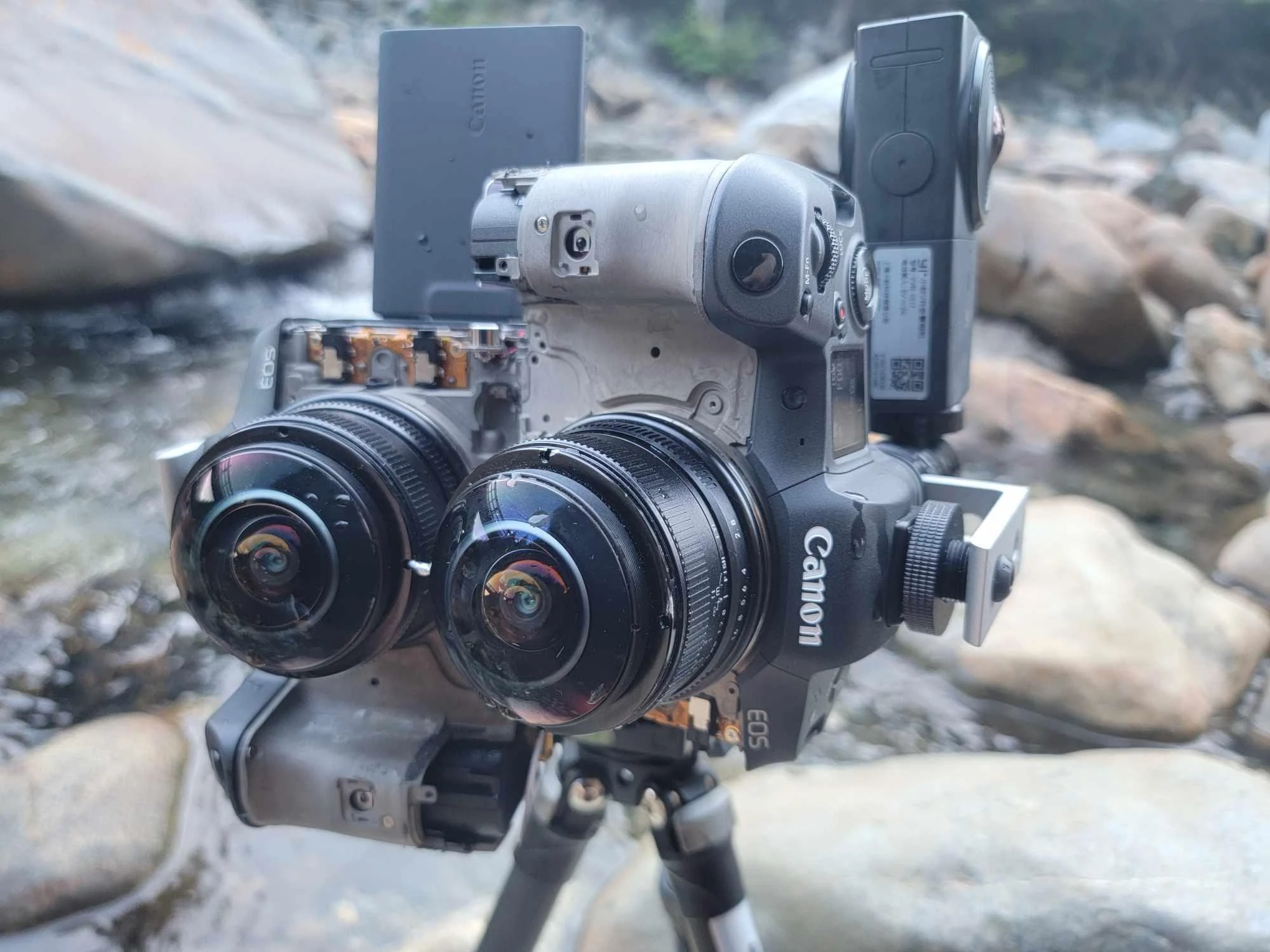 1 image
To reconstruct a moving person, the cameras must record the same moment from known viewpoints. If the timing or camera positions are wrong, the views will not line up.
We design camera rigs, optics and synchronization systems for this work. The custom multicamera system built for Demonic is one example of that engineering in use.
Inside the capture systemNVIDIA GPUs run AI inference, image processing and rendering in our workflows. HP’s case study documents background inpainting, high-resolution masking and multi-GPU work used to produce imagery.
Our reconstruction development works on recovering a moving subject from camera views. AI video outpainting addresses the missing image outside a frame. Mirage development focuses on how a viewer explores a scene, with WebGPU browser and Vision Pro players in development.
8 imagesTalk with us about the software, a demonstration or a technology partnership.